
Living in the Columbia River Gorge: Everything You Need to Know Before You Move
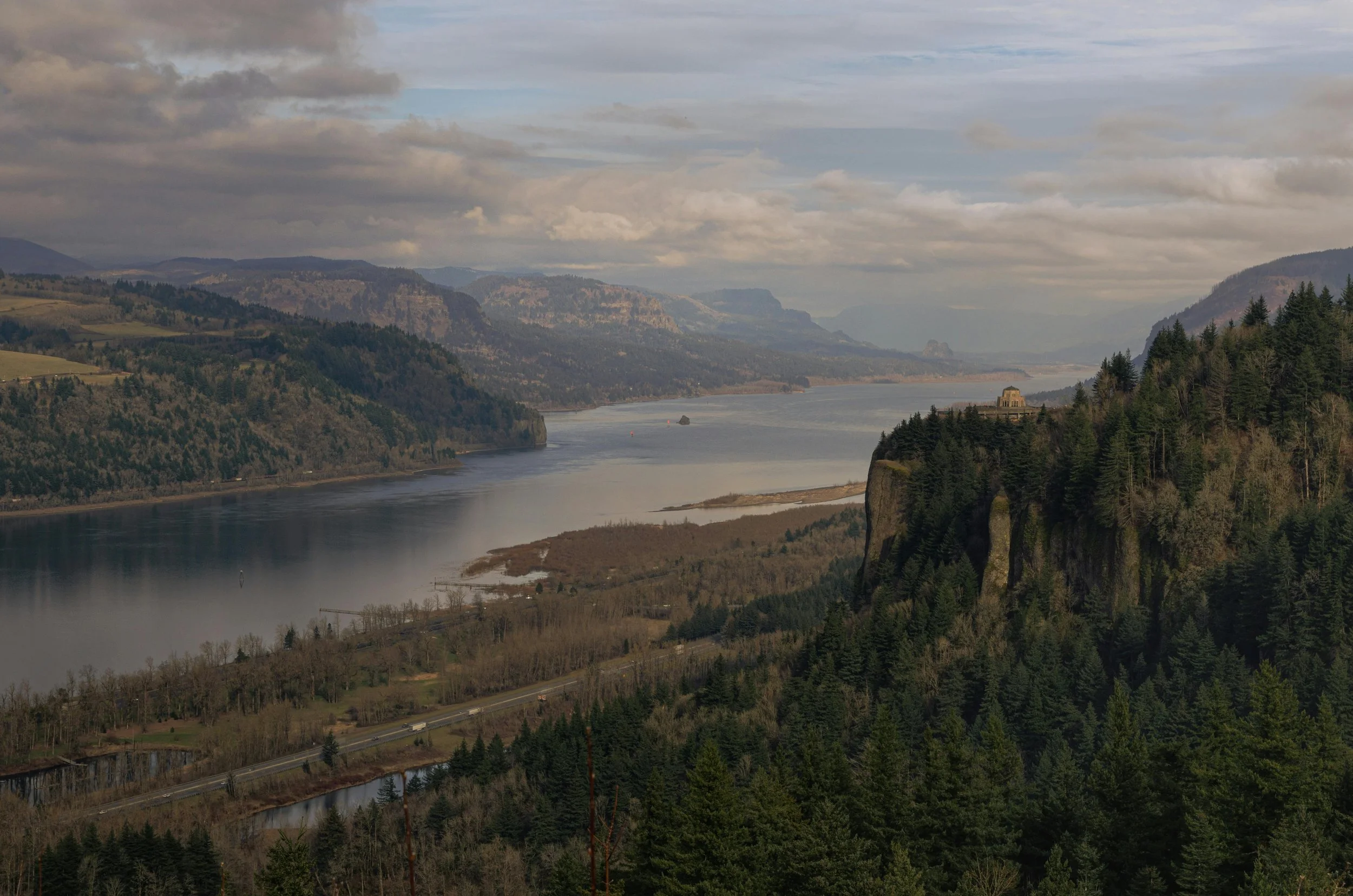
If you've ever driven Highway 14 along the Washington side or pulled off at Crown Point on the Oregon side, you already know the Columbia River Gorge has a way of stopping people in their tracks. But more and more, people aren't just passing through, they're moving here.
Whether you're a remote worker craving nature outside your door, a Portland commuter ready to trade traffic for views, or someone simply looking for a slower pace without sacrificing community, the Gorge has become one of the most desirable places to live in the Pacific Northwest.
Here's an honest, practical guide to what life in the Columbia River Gorge is actually like.
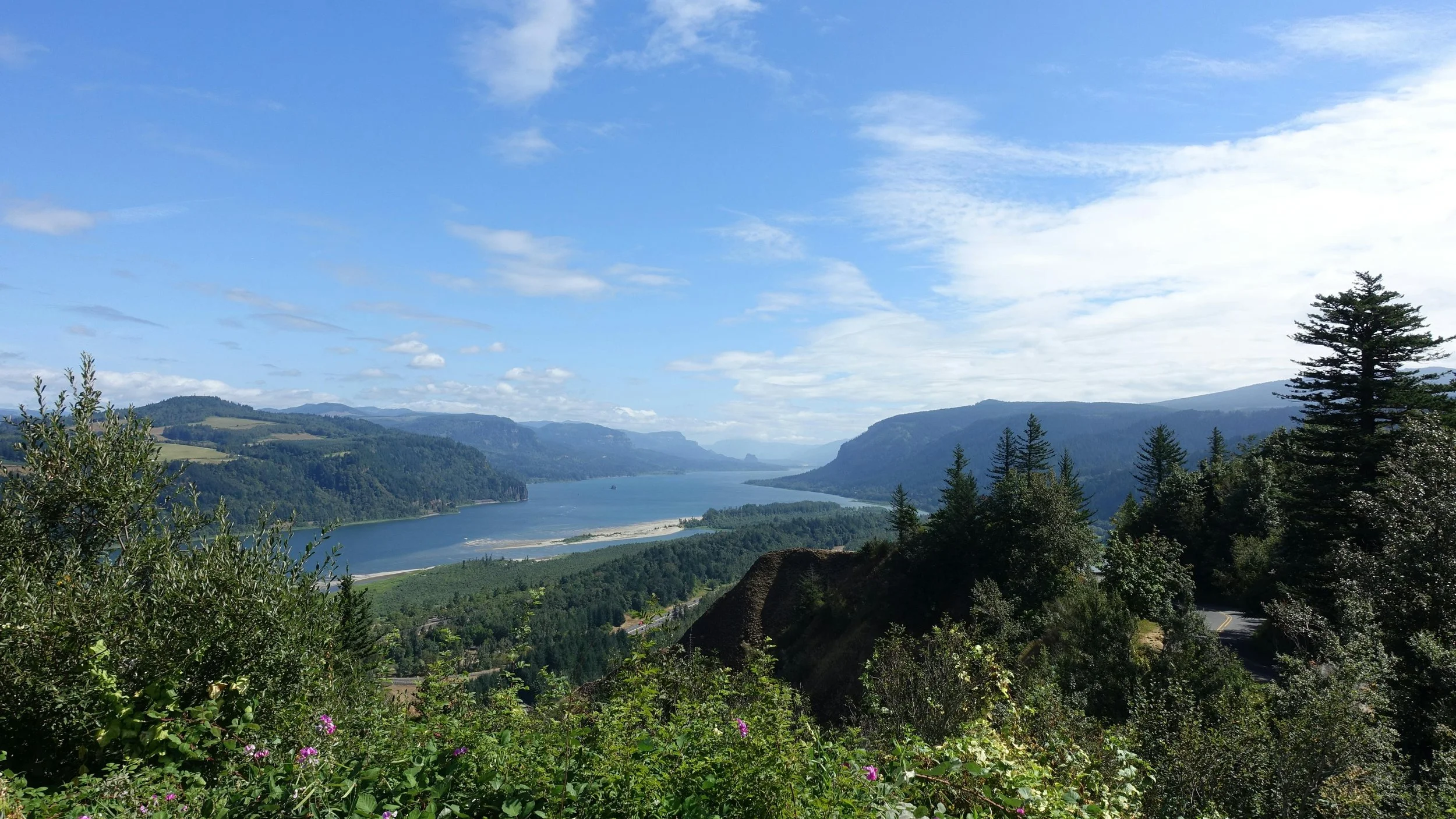
Where Is the Columbia River Gorge?
The Columbia River Gorge is a dramatic river canyon stretching about 80 miles along the Columbia River, forming the border between Oregon and Washington. The most livable communities cluster in the western and central Gorge, roughly 45–90 minutes east of Portland.
The main towns people move to include:
Hood River, OR — The unofficial capital of the Gorge. Windsurfing, wine, and a thriving downtown.
White Salmon, WA — A charming small town on the Washington side with stunning views and a tight-knit community.
Stevenson, WA — The Skamania County seat, quieter and more affordable, with deep outdoor culture.
The Dalles, OR — The largest city in the Gorge, offering more amenities and a lower cost of living.
Bingen, WA / Lyle, WA — Small, affordable communities across from Hood River, popular with those priced out of the Oregon side.
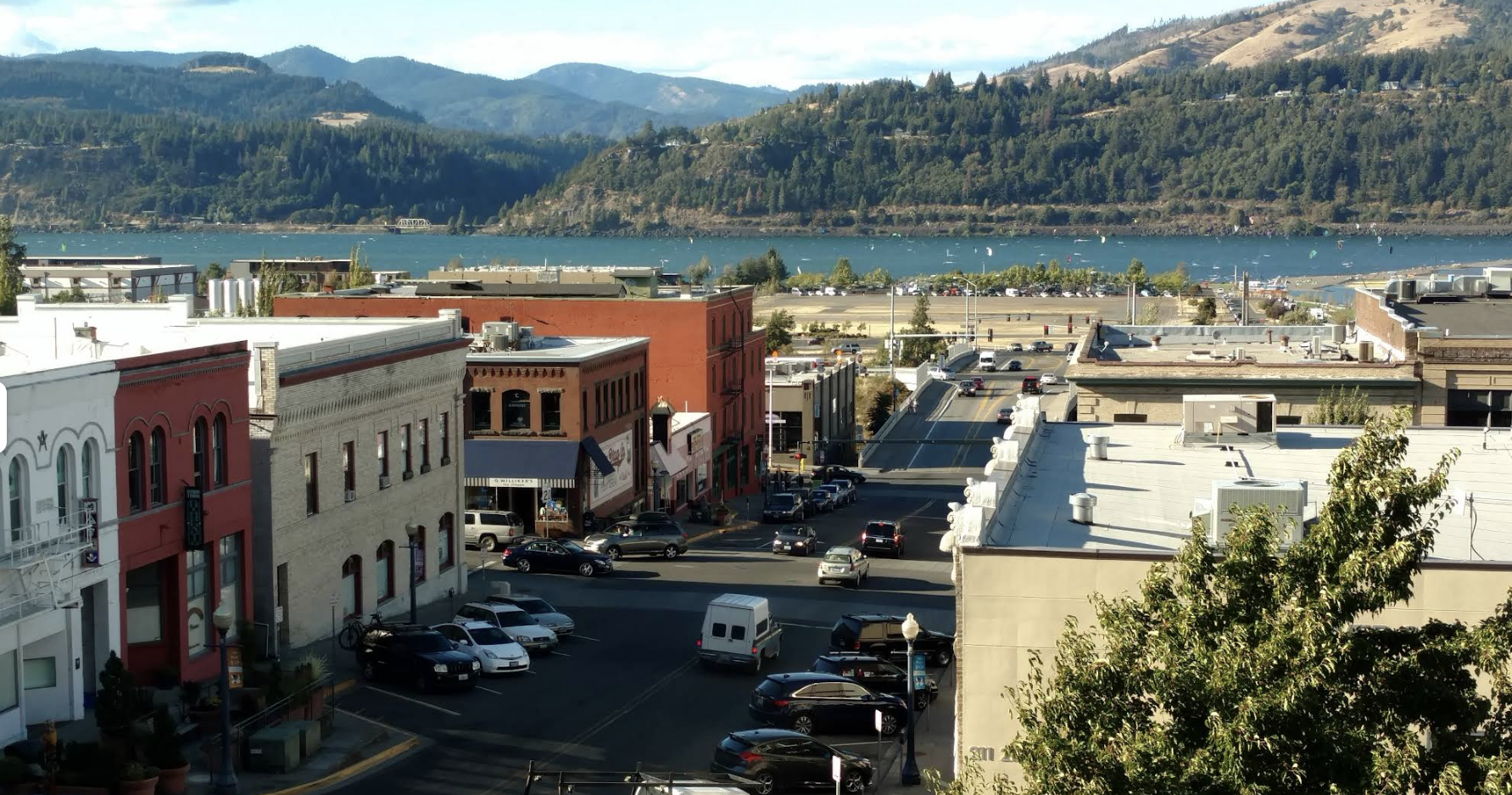
What's the Cost of Living?
This is where many people get a reality check. The Gorge, especially Hood River is no longer a hidden gem when it comes to real estate prices.
Hood River, OR has seen significant appreciation over the past decade. Single-family homes frequently list in the $600,000–$900,000+ range, driven by demand from Portland transplants and remote workers with bigger budgets.
White Salmon and Bingen, WA tend to offer better value for the money, with more inventory under $600,000, though that gap has been closing.
Stevenson and The Dalles remain the most affordable options in the region, where buyers can still find homes in the $500,000s.
Day-to-day costs (groceries, dining, services) are comparable to Portland or slightly lower. Property taxes in Washington tend to be higher than Oregon, though Washington has no state income tax, a significant factor for higher earners.
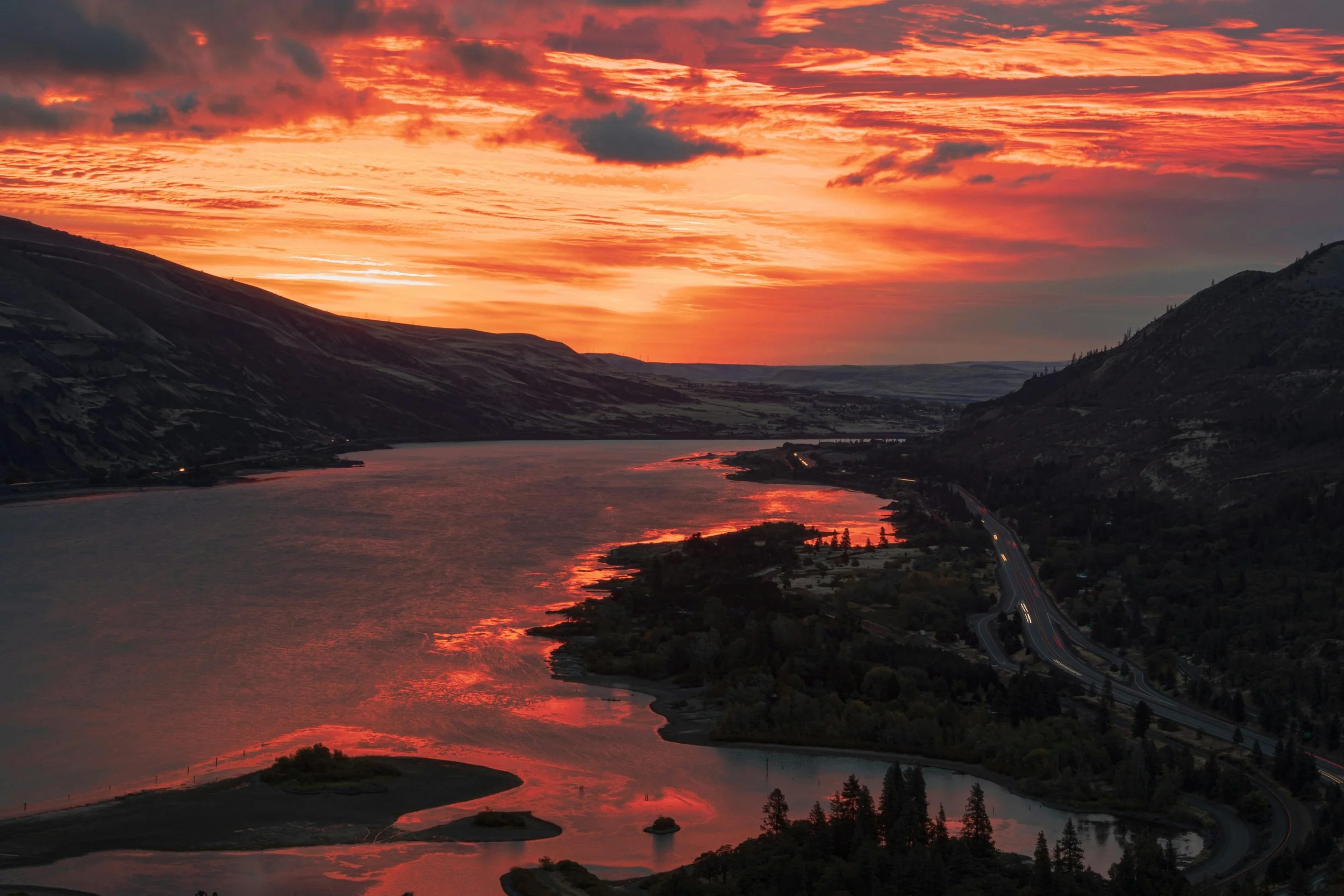
The Outdoor Lifestyle (It's as Good as You've Heard)
Living in the Gorge means world-class outdoor recreation is essentially in your backyard. The region draws athletes, adventurers, and outdoor enthusiasts from around the world.
Windsurfing & Kiteboarding: Hood River is widely considered one of the best windsurfing destinations on Earth. The consistent afternoon winds that funnel through the Gorge create near-perfect conditions from spring through fall.
Mountain Biking: Trails like Post Canyon outside Hood River have achieved cult status among mountain bikers. The jump trails and flow trails here attract riders from across the Pacific Northwest.
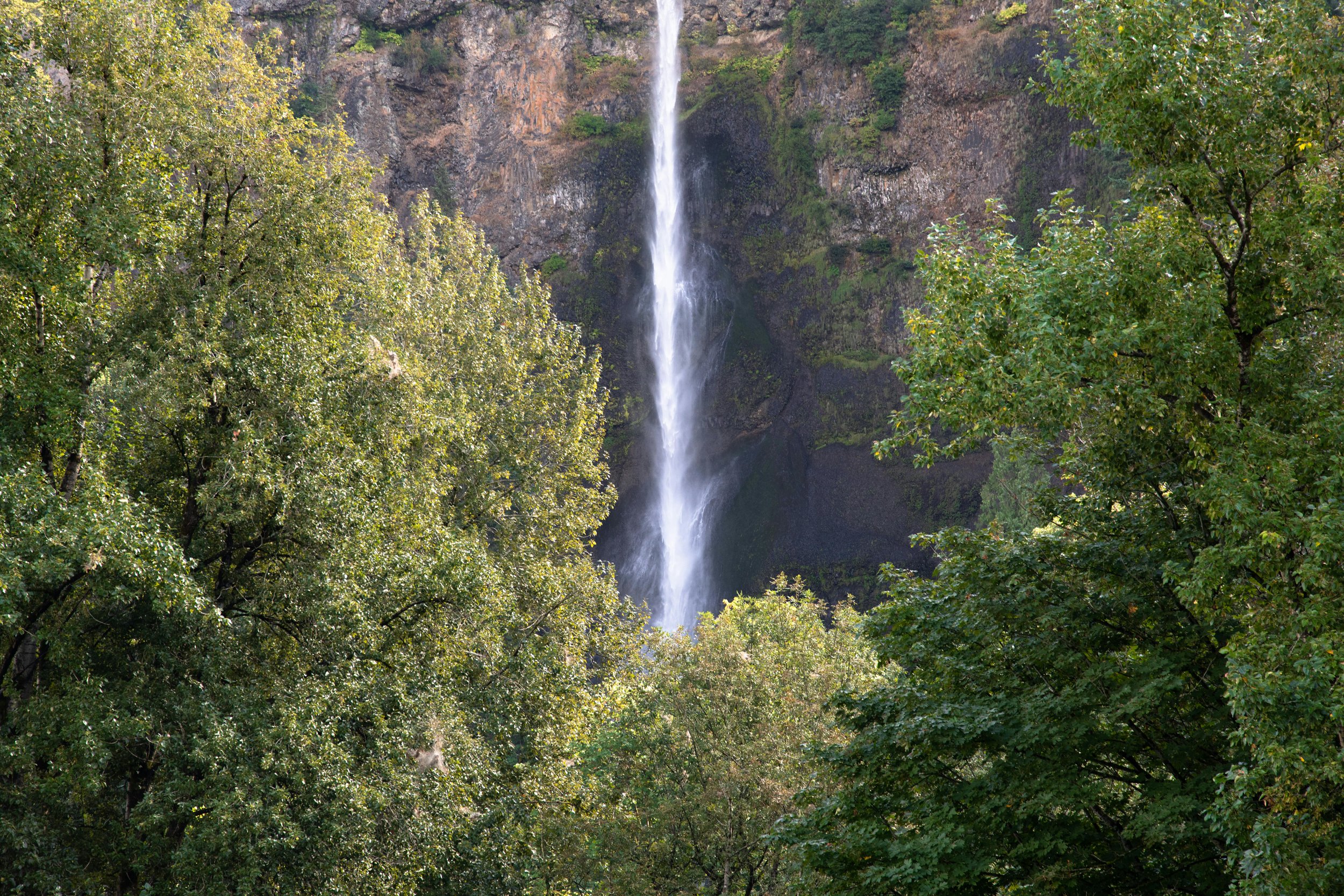
Hiking: The Oregon side of the Gorge is home to some of the most iconic hikes in the state, including Dog Mountain (Washington), Angel's Rest, Latourell Falls, and the Wahkeena–Multnomah loop. The Columbia River Highway corridor is a destination in itself.
Snow sports: Mt. Hood Meadows and Timberline Lodge are roughly an hour from Hood River, making ski season a legitimate part of local life, not just a weekend road trip.
Kayaking, Fishing, Climbing: The river, surrounding wilderness, and basalt cliffs round out a four-season outdoor calendar that's hard to match anywhere else in the country.
Commuting to Portland
One of the most common questions about the Gorge: Can I commute to Portland from here?
The honest answer: it depends on your tolerance for driving.
Troutdale / Corbett / Bridal Veil (westernmost Gorge): 30–45 minutes to Portland on a good day.
Cascade Locks / Stevenson: About 1 hour.
Hood River / White Salmon: 1 hour 15 minutes to 1 hour 30 minutes — more with traffic.
The Dalles: Nearly 2 hours to Portland in normal conditions.
Many Gorge residents commute 2–3 days a week and work remotely the rest of the time. The rise of hybrid work has made this region significantly more viable for people tied to Portland offices.
Important caveat: I-84 through the Gorge can close or slow dramatically during winter weather events, high wind closures, or accidents. People who commute regularly learn to keep an eye on ODOT road conditions and build flexibility into their schedules.
Is the Columbia River Gorge Right for You?
The Gorge is an extraordinary place to live, but it's not for everyone. Here's a quick honest assessment:
You'll love it if you:
Genuinely use outdoor recreation, not just like the idea of it
Value community and a slower pace over urban amenities
Work remotely, part-time, or have flexibility in your commute
Don't mind that the nearest Costco is in Hood River (or The Dalles)
Are okay with the occasional ice storm or road closure as just part of life
It might not be the right fit if you:
Need daily access to Portland for work without flexibility
Have kids with specialized needs that require robust school program options
Are on a tight budget and looking for a lower cost of living (look east toward The Dalles)
Prefer urban density, nightlife, and the full range of city amenities